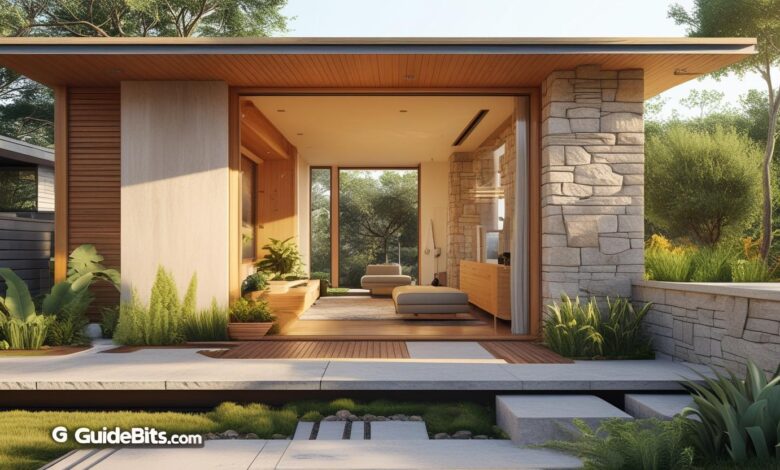
The world of interior design is evolving rapidly. With growing environmental awareness and demand for sustainable living, modern homeowners are no longer satisfied with just aesthetic appeal—they want their homes to reflect their values. Enter Acamento, a revolutionary concept in eco-conscious home aesthetics that blends sustainability, innovation, and timeless design. It’s not just a style; it’s a movement shaping the future of residential architecture and interior living.
Understanding Acamento
Acamento is a term inspired by the Portuguese word “acabamento,” meaning finishing, combined with “eco,” reflecting its sustainability focus. At its core, Acamento refers to a holistic design philosophy where every element of a home’s finish—materials, textures, colors, lighting, and decor—is chosen with environmental responsibility in mind.
Unlike traditional design approaches, Acamento does not separate beauty from sustainability. Instead, it integrates renewable materials, energy efficiency, and natural aesthetics into a seamless, functional, and health-conscious environment.
Why Eco-Conscious Home Aesthetics Matter Today
Climate change, resource scarcity, and the rise in eco-awareness are prompting individuals to rethink the way they build, decorate, and live in their homes. Traditional home construction often involves materials and processes that are harmful to both people and the planet:
- High energy consumption during manufacturing
- Use of non-renewable resources like plastic and concrete
- Release of harmful VOCs (volatile organic compounds)
- Poor insulation contributing to excessive energy use
In contrast, Acamento promotes homes that are healthier, energy-efficient, and rooted in sustainable practices. By doing so, it addresses not only environmental concerns but also the well-being and comfort of residents.
Core Principles of Acamento Design
Acamento stands on four essential pillars that differentiate it from conventional design strategies.
1. Sustainable Materials
Acamento uses eco-friendly materials that have minimal impact on the environment throughout their lifecycle. These include:
- Bamboo: A fast-growing, renewable alternative to hardwood
- Cork: Biodegradable and naturally antimicrobial
- Reclaimed wood: Repurposed from older structures, reducing demand for virgin timber
- Recycled metal and glass: Ideal for decorative and structural purposes
- Natural stone: Used without harmful chemical treatments
2. Energy Efficiency
Designing for energy efficiency is integral to the Acamento philosophy. This includes:
- Proper insulation using natural fibers like sheep wool or hempcrete
- Passive solar design to maximize natural heating and lighting
- Double-glazed windows and smart thermostats
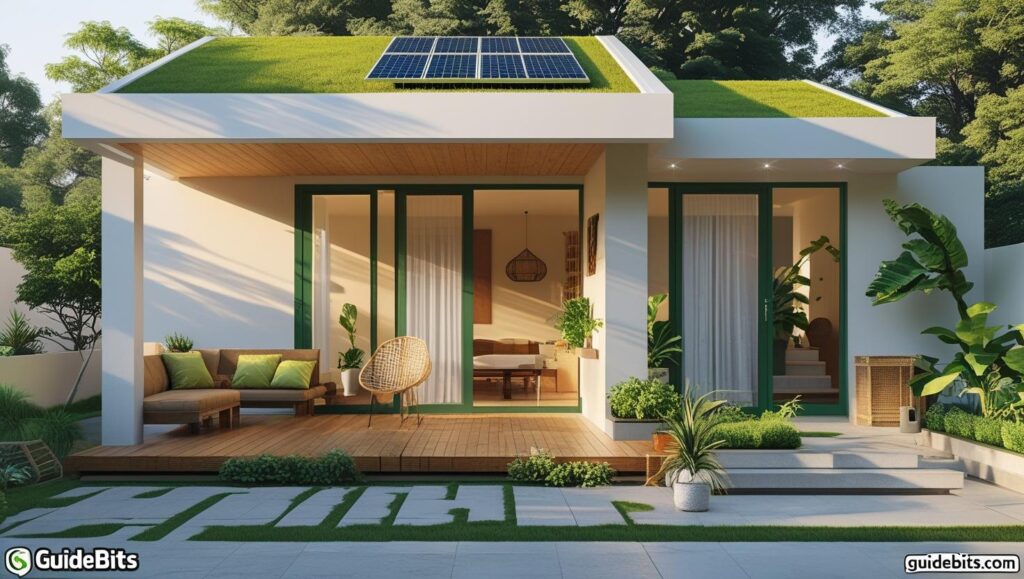
- Solar panels integrated into roofs and facades
- LED lighting and low-energy appliances
3. Low-Impact Finishing
The final aesthetic elements are where Acamento shines. Finishes are chosen for both beauty and environmental impact. Examples include:
- Clay or lime-based paints free of toxins
- Water-based adhesives and sealants
- Natural fiber textiles like linen, hemp, and organic cotton
- Biodegradable wallpapers and non-toxic stains
4. Local Sourcing and Ethical Practices
Acamento prioritizes local and ethically sourced materials, reducing transportation emissions and supporting community-based production. It also ensures that labor involved in material processing and installation is treated fairly and ethically.
Acamento vs Traditional Design: A Comparative Look
| Feature | Traditional Design | Acamento Design |
|---|---|---|
| Materials | Synthetic, mass-produced | Renewable, recycled, natural |
| Environmental Impact | High carbon footprint | Minimal ecological impact |
| Air Quality | Often polluted with VOCs | Clean, non-toxic indoor air |
| Energy Efficiency | Standard insulation | High-efficiency systems |
| Aesthetic Approach | Trends over substance | Style with sustainability |
| Long-Term Cost | Higher maintenance, energy bills | Lower cost due to durability |
Elements That Define Acamento Homes
Acamento is not just about environmental responsibility—it’s also about living in a space that feels alive, organic, and deeply connected to nature. Here are the defining features that make up an Acamento-inspired home.
Natural Color Palettes
Color schemes in Acamento design are derived from nature. Think earthy browns, leafy greens, warm terracottas, and soft sand tones. These tones not only reflect the outdoors but also evoke a calming, grounded atmosphere indoors.
Textured, Organic Surfaces
Walls, floors, and countertops feature natural textures that bring a tactile, lived-in quality to interiors. Plastered walls, reclaimed wood grains, and rough stone surfaces are not hidden—they’re celebrated.
Biophilic Design Integration
A major component of Acamento is biophilic design, which fosters a deep connection to nature through architectural elements:
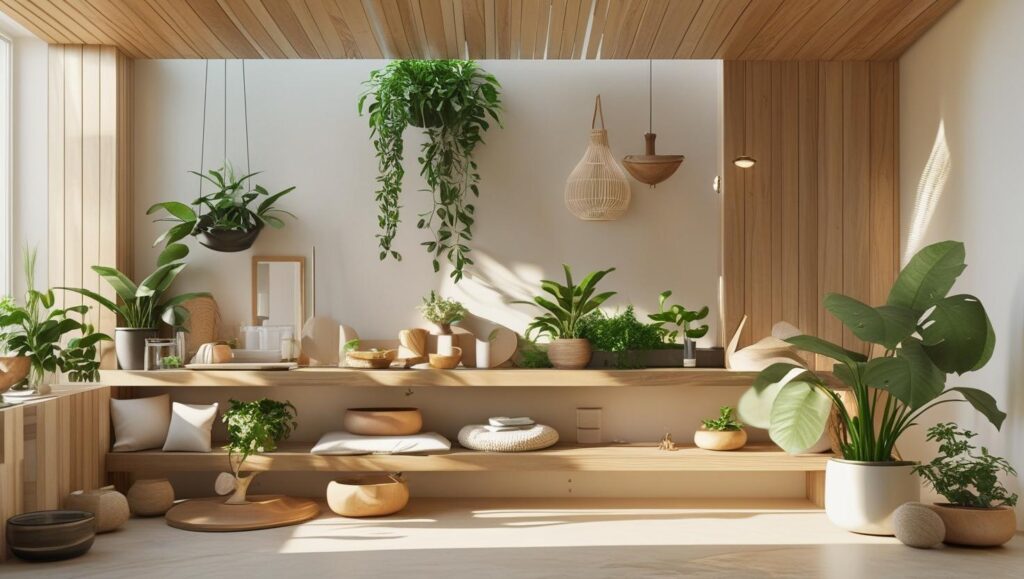
- Indoor gardens and vertical green walls
- Ample natural lighting through skylights and glass walls
- Open layouts that blur the boundaries between indoor and outdoor spaces
Upcycled and Handcrafted Furniture
Rather than mass-produced pieces, Acamento encourages:
- Custom furniture made from salvaged wood or recycled metal
- Local artisan-made decor pieces
- Vintage furnishings that are restored and repurposed
The Role of Smart Technology in Acamento Design
Although rooted in natural elements, Acamento fully embraces technology that supports sustainability. Integrating smart systems not only reduces energy consumption but also improves comfort and convenience.
Smart Features Common in Acamento Homes
- Programmable thermostats to optimize energy use
- Motion-sensor lights and climate control
- Solar-powered water heating systems
- Energy monitoring apps
- Water-saving fixtures and smart irrigation systems
Acamento in Architecture: Building with Nature
Acamento-inspired architecture is more than surface-level—it’s a structural approach that works with the environment, not against it.
Passive Solar Orientation
Homes are built or retrofitted to maximize sunlight in colder months and minimize heat gain in warmer months. This helps reduce the need for artificial heating and cooling.
Living Roofs and Walls
Roofs covered in vegetation act as natural insulation and reduce urban heat. Green walls enhance aesthetics while filtering air and absorbing CO2.
Rainwater Harvesting and Greywater Systems
These systems collect and reuse water for non-drinking purposes like irrigation or toilet flushing, significantly reducing water consumption.
Locally Available Building Materials
Using stone, clay, or wood from the immediate area cuts down on transportation emissions and keeps homes contextually grounded in their environment.
Cost of Acamento Homes: Investment vs Value
A common misconception is that eco-friendly homes are significantly more expensive. While certain materials or technologies may have a higher upfront cost, Acamento homes are designed to save money in the long run.
Cost Comparison Table
| Cost Factor | Traditional Home | Acamento Home |
|---|---|---|
| Initial Build Cost | Lower | Slightly higher |
| Monthly Energy Costs | Higher | 30-60% lower |
| Maintenance | Frequent | Minimal |
| Longevity | Standard lifespan | Durable and long-lasting |
| ROI Over 10 Years | Moderate | High |
How to Integrate Acamento in Your Existing Home
Even if you’re not building a new house, it’s possible to incorporate Acamento principles into your existing space.
Steps to Get Started
- Replace synthetic carpets with natural fiber rugs like jute or sisal
- Switch to LED bulbs and smart lighting systems
- Use VOC-free paints and natural wall finishes
- Add indoor plants to improve air quality
- Replace plastic furnishings with bamboo, reclaimed wood, or rattan
- Opt for refurbished or vintage decor items
Real-World Trends Supporting the Acamento Movement
Global architecture and design communities are embracing principles that mirror Acamento, further pushing it into the mainstream.
- LEED-certified buildings and interiors
- Growing popularity of eco-architecture firms
- National green building codes
- Interior brands offering sustainable collections
- Widespread adoption of solar and wind energy in residential spaces
Future of Eco-Conscious Home Aesthetics
The future of design is rooted in conscious living. Acamento is not a passing trend but a blueprint for how modern homes will evolve.
Innovations to Watch
- Carbon-negative materials like hempcrete and mycelium bricks
- 3D-printed homes using recycled materials
- Net-zero energy communities
- Self-regulating home ecosystems
- Modular homes designed for disassembly and reuse
Community Impact
Acamento design encourages a sense of shared responsibility and communal harmony. Eco-villages and co-housing projects designed with these principles foster deeper social connection and collective environmental stewardship.
Frequently Asked Questions (FAQ)
What is Acamento in interior design?
Acamento refers to a sustainable design approach focused on eco-friendly materials, energy efficiency, and mindful finishes that are aesthetically pleasing and environmentally responsible.
Is Acamento only for new homes?
No. Acamento principles can be applied to renovations, retrofits, or even small decor upgrades using natural materials, energy-saving tech, and green practices.
Are Acamento homes more expensive?
While initial costs can be slightly higher due to quality materials and systems, the long-term savings in energy bills, maintenance, and health costs make them more affordable over time.
Can Acamento improve my home’s indoor air quality?
Yes. By avoiding synthetic materials and harmful VOCs, Acamento designs promote cleaner air and a healthier indoor environment.
Is Acamento suitable for urban apartments?
Absolutely. Many Acamento elements like VOC-free paints, recycled decor, smart lighting, and biophilic design can be easily adapted for apartment living.
Conclusion
Acamento represents a bold yet necessary shift in the world of home design. It challenges us to go beyond temporary trends and embrace a lifestyle that’s both elegant and environmentally sound. By integrating sustainable practices into every design decision, Acamento doesn’t just build houses—it builds harmony between people, planet, and the places we call home.
Whether you’re starting from scratch or upgrading an existing space, Acamento offers a path forward for those who value beauty, function, and the future.