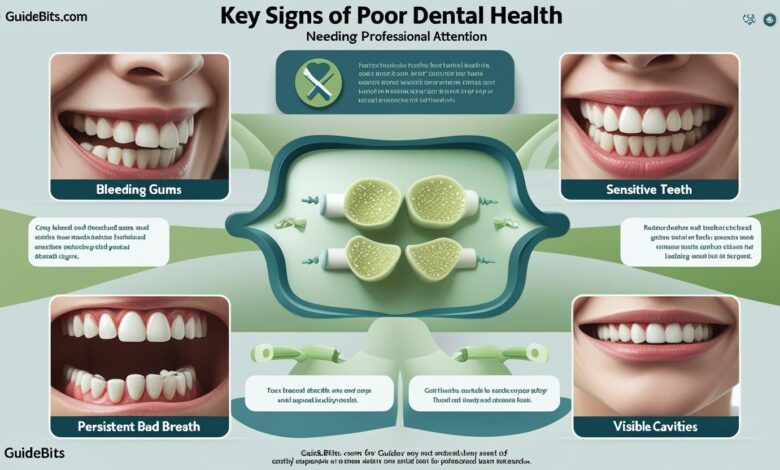
Maintaining dental health is often underestimated until discomfort or visible symptoms arise. While regular brushing, flossing, and bi-annual checkups help prevent issues, some symptoms signal deeper problems that require immediate professional evaluation. Recognizing these warning signs early can prevent costly procedures, tooth loss, and health complications.
In this guide, we will explore the 4 signs your dental health needs professional attention, what they mean, and what steps to take next.
Article Outline
- 1 Why Dental Health Should Never Be Ignored
- 2 Sign #1: Persistent Tooth Pain or Sensitivity
- 3 Sign #2: Bleeding, Swollen, or Receding Gums
- 4 Sign #3: Chronic Bad Breath or Foul Taste
- 5 Sign #4: Loose, Cracked, or Shifting Teeth
- 6 The Importance of Regular Dental Visits
- 7 What to Expect During a Professional Dental Checkup
- 8 Preventive Tips to Avoid Serious Dental Issues
- 9 Conclusion
- 10 FAQs
- 10.1 1. Is bleeding gums a normal sign of brushing too hard?
- 10.2 2. Can I treat tooth sensitivity at home?
- 10.3 3. How often should I see a dentist?
- 10.4 4. What causes sudden loose teeth in adults?
- 10.5 5. Is bad breath always a dental issue?
- 10.6 6. Can gum disease be reversed?
- 10.7 7. Do all toothaches need a dentist?
Why Dental Health Should Never Be Ignored
Oral health isn’t just about having a white smile. It plays a critical role in your overall health. Poor dental hygiene has been linked to serious medical conditions like heart disease, diabetes, and respiratory infections. Moreover, untreated dental issues can lead to intense pain, infection, and tooth loss.
According to the World Health Organization, oral diseases affect nearly 3.5 billion people worldwide.
Proactive dental care and timely response to early symptoms can save you from long-term complications and expensive treatments.
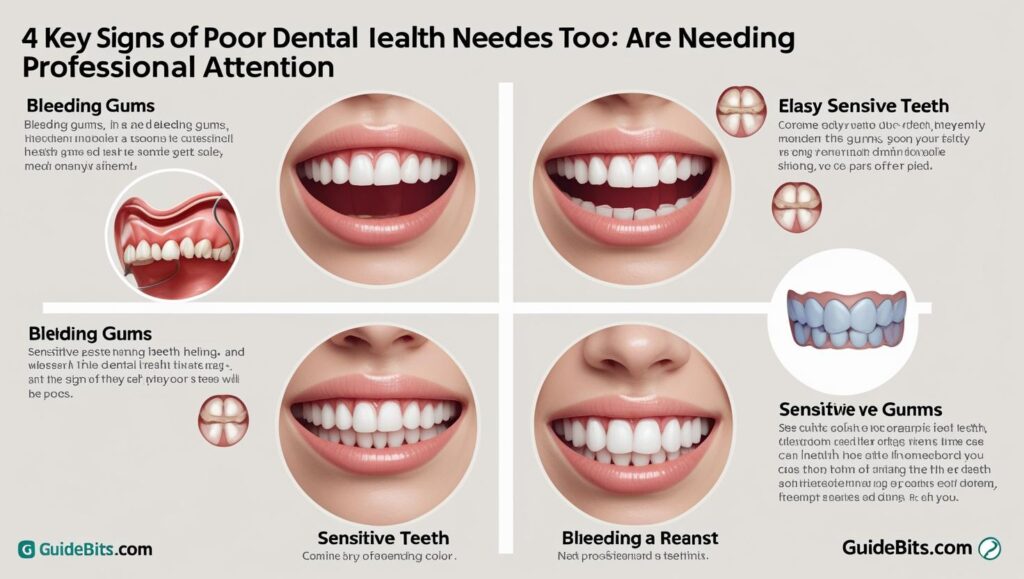
Sign #1: Persistent Tooth Pain or Sensitivity
What It Means
Ongoing tooth pain or sensitivity when consuming hot, cold, or sugary items is a red flag. It often indicates:
- Tooth decay
- Cavities
- Exposed roots
- Enamel erosion
- Dental abscess
When to Seek Help
If pain persists for more than two days or worsens, it’s time to consult a dentist. Delaying treatment may result in root canal needs or extraction.
Possible Treatments
| Symptom | Possible Cause | Treatment |
|---|---|---|
| Sharp pain on chewing | Cracked tooth | Filling or crown |
| Sensitivity to temperature | Worn enamel | Fluoride treatment |
| Constant throbbing pain | Infection/abscess | Root canal or extraction |
Sign #2: Bleeding, Swollen, or Receding Gums
What It Means
Gums that bleed during brushing or flossing are often dismissed, but they could be early signs of gingivitis or periodontitis. Left untreated, gum disease can destroy the supporting structures of your teeth.
Warning Symptoms
- Red, swollen gums
- Gum recession
- Persistent bleeding
- Pus between teeth and gums
- Pain while chewing
Gum disease is the leading cause of adult tooth loss.
When to Visit a Dentist
If you notice your gums bleeding for more than a week, schedule a dental visit. Receding gums and loose teeth require urgent attention.
Treatments Offered
- Deep cleaning (scaling and root planing)
- Antibiotic treatment
- Surgery (in advanced cases)
Sign #3: Chronic Bad Breath or Foul Taste
What It Means
Bad breath (halitosis) that doesn’t go away even after brushing may be a symptom of:
- Gum disease
- Dry mouth
- Tooth infections
- Tartar buildup
- Poor oral hygiene
A foul or metallic taste in your mouth could also point to a decaying tooth or infection.
When to Take Action
If mouthwash, flossing, and brushing don’t eliminate bad breath, consult your dentist. Bad breath from oral causes usually points to bacterial overgrowth.
Common Remedies
| Cause | Solution |
|---|---|
| Gum disease | Scaling and periodontal treatment |
| Dry mouth | Hydration and saliva-stimulating products |
| Infected tooth | Root canal or extraction |
Sign #4: Loose, Cracked, or Shifting Teeth
What It Means
Your adult teeth should not move, feel loose, or develop unexplained cracks. If they do, it may indicate:
- Advanced periodontal disease
- Bone loss in the jaw
- Trauma
- Bruxism (grinding teeth)
These issues can impact speech, bite alignment, and overall dental function.
Warning Signs
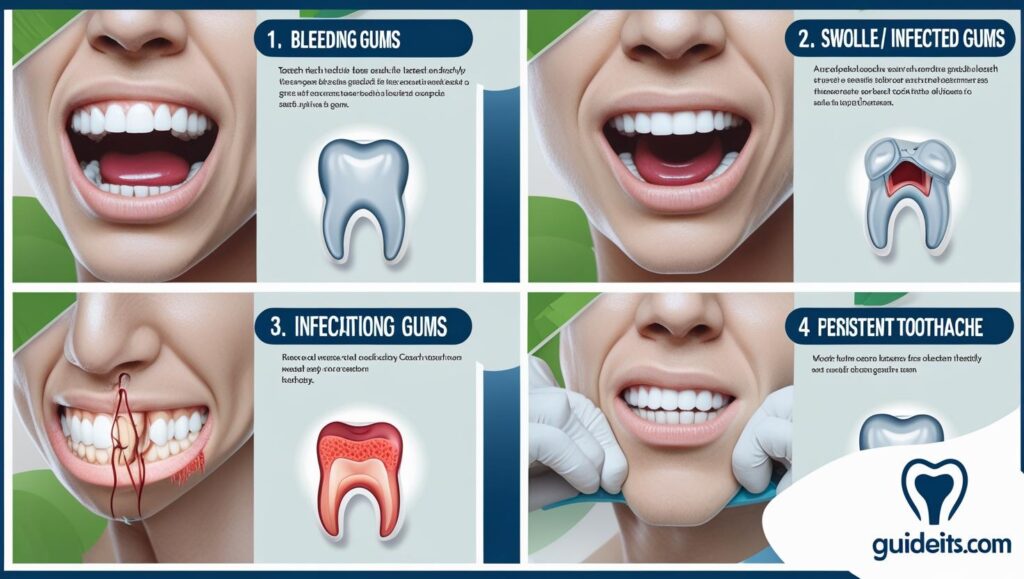
- Difficulty chewing
- Sudden gap formation
- Clicking sound while biting
- Pain in the jaw or gums
Professional Evaluation Needed
Your dentist may take X-rays to evaluate bone density and determine the root cause. Early diagnosis may prevent complete tooth loss.
The Importance of Regular Dental Visits
Even if you don’t have visible symptoms, visiting the dentist every 6 months is essential for:
- Early detection of cavities or gum issues
- Professional cleanings that remove plaque and tartar
- Oral cancer screenings
- Monitoring changes in bite or jaw alignment
Benefits of Routine Checkups
- Save money on future dental procedures
- Avoid emergencies
- Maintain fresh breath and clean appearance
- Boost overall health
What to Expect During a Professional Dental Checkup
| Procedure | Purpose |
|---|---|
| Visual exam | Identify signs of decay or disease |
| X-rays | Check bone loss, cavities, or root problems |
| Cleaning | Remove tartar and polish teeth |
| Consultation | Discuss dental habits, concerns, and treatment plans |
The process is usually painless and takes 30–60 minutes. Your dentist may suggest further care depending on your oral condition.
Preventive Tips to Avoid Serious Dental Issues
- Brush Twice Daily
Use a fluoride toothpaste and soft-bristled brush for at least 2 minutes. - Floss Daily
Removes plaque and food particles from between teeth. - Avoid Sugary Snacks and Drinks
Sugar feeds bacteria that lead to decay. - Stay Hydrated
Prevents dry mouth, which increases risk of cavities. - Quit Smoking
Smoking weakens gums and delays healing. - Use Mouthwash
Antibacterial rinses help control plaque and gingivitis. - Wear a Night Guard (if needed)
For those who grind teeth during sleep.
Conclusion
Ignoring symptoms like tooth pain, bleeding gums, or bad breath can lead to serious dental and health complications. The earlier you seek professional help, the easier and less expensive the treatment. The 4 signs your dental health needs professional attention are warning signals you shouldn’t ignore.
Taking charge of your dental health today ensures a healthier tomorrow. Don’t wait—schedule that checkup!
FAQs
1. Is bleeding gums a normal sign of brushing too hard?
Not always. While aggressive brushing can irritate gums, persistent bleeding often indicates gum disease that requires dental evaluation.
2. Can I treat tooth sensitivity at home?
Mild sensitivity can be managed with special toothpaste, but ongoing discomfort needs a dentist’s diagnosis.
3. How often should I see a dentist?
Most adults should visit the dentist every six months, or more frequently if you have gum disease or other ongoing issues.
4. What causes sudden loose teeth in adults?
It can be due to advanced periodontal disease, bone loss, or trauma. Seek immediate dental care if your teeth feel loose.
5. Is bad breath always a dental issue?
Not always. It can stem from digestion, dry mouth, or sinus infections, but persistent bad breath often indicates oral problems.
6. Can gum disease be reversed?
Early-stage gum disease (gingivitis) is reversible with proper care. Advanced stages require ongoing treatment.
7. Do all toothaches need a dentist?
Yes. Any persistent pain is your body’s way of signaling a problem. Home remedies can mask the issue, but not cure it.