Introduction: Why Viscose Deserves the Spotlight
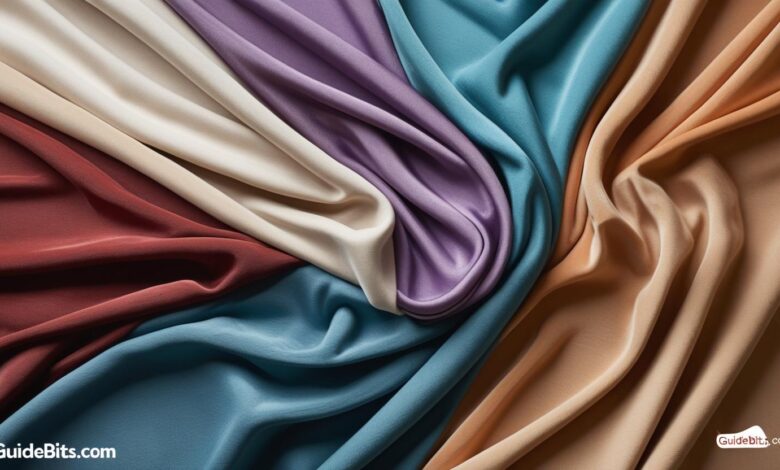
In a world where fabric choices shape fashion, sustainability, and comfort, viscose stands out as a versatile player. Known for its silk-like texture and breathable nature, viscose fabric has earned a reputation for being luxurious yet budget-friendly. Whether it’s flowing dresses, cozy loungewear, or soft bedsheets, viscose effortlessly balances elegance and practicality. But what is viscose, really? And why is it becoming a go-to material in the textile world?
This guide unveils the origin, properties, benefits, drawbacks, and applications of viscose, while offering grounded insights into its environmental impact and market relevance in 2025.
Article Outline
- 1 What Is Viscose Fabric?
- 2 The Making of Viscose: Step-by-Step Process
- 3 Why Choose Viscose? Key Features That Set It Apart
- 4 Applications of Viscose Fabric
- 5 Viscose vs. Other Fabrics: A Comparative View
- 6 Grounding Viscose in Real-World Use: Consumer Trends in 2025
- 7 Is Viscose Eco-Friendly? Let’s Ground the Facts
- 8 How to Care for Viscose Garments
- 9 Common Myths About Viscose—Busted
- 10 How to Identify High-Quality Viscose
- 11 Top Brands Using Viscose in 2025
- 12 Viscose in Sustainable Fashion
- 13 Conclusion: Is Viscose Worth It?
- 14 FAQ: Everything You Wanted to Know About Viscose
- 14.1 Q1. Is viscose fabric good for summer?
- 14.2 Q2. Can viscose be considered sustainable?
- 14.3 Q3. Does viscose shrink?
- 14.4 Q4. Is viscose better than cotton?
- 14.5 Q5. Is viscose suitable for sensitive skin?
- 14.6 Q6. What’s the difference between rayon and viscose?
- 14.7 Q7. How can I find sustainable viscose clothing?
What Is Viscose Fabric?
Viscose is a semi-synthetic fiber derived from natural cellulose, commonly sourced from wood pulp (such as beech, pine, or bamboo). It belongs to the rayon family, often used as a silk substitute due to its smooth finish and drape.
Grounded Fact: Viscose is not entirely natural or fully synthetic; it sits in between, offering an affordable option with luxurious appeal.
The Making of Viscose: Step-by-Step Process
| Stage | Process Description |
|---|---|
| Cellulose Source | Wood pulp is extracted from fast-growing trees like bamboo or beech. |
| Alkali Treatment | The pulp is treated with sodium hydroxide to produce alkali cellulose. |
| Aging | The treated cellulose is aged for several hours to days. |
| Xanthation | Reacted with carbon disulfide to form cellulose xanthate. |
| Dissolution | Dissolved again in sodium hydroxide, forming a viscous solution. |
| Spinning | The viscose solution is spun into fibers using spinnerets. |
| Finishing | Fibers are washed, bleached, and dried before being woven into fabric. |
Why Choose Viscose? Key Features That Set It Apart
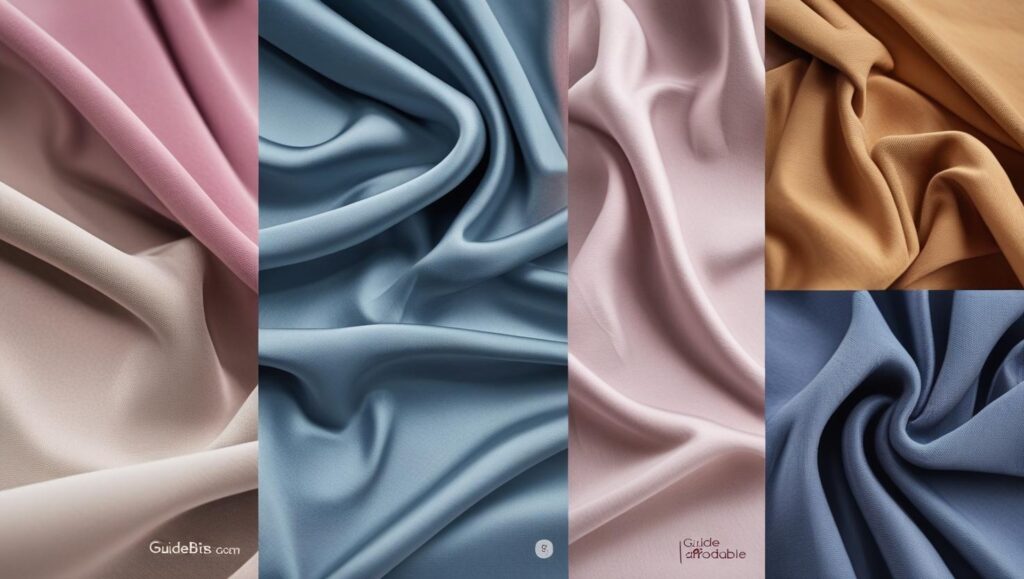
1. Luxurious Feel
- Feels like silk but at a fraction of the price.
- Excellent drape and fluidity.
2. Breathable and Comfortable
- Allows airflow, making it perfect for summer wear.
- Wicks moisture from the body, keeping you cool.
3. Dye-Friendly
- Absorbs dyes deeply, offering vibrant colors.
- Retains color even after multiple washes.
4. Budget-Conscious Luxury
- Less expensive than cotton or silk.
- Easily available in mid-range and high-street fashion brands.
Applications of Viscose Fabric
| Industry | Common Uses |
|---|---|
| Fashion Apparel | Dresses, blouses, skirts, scarves, linings |
| Home Textiles | Bed sheets, pillowcases, curtains, upholstery |
| Sportswear | Yoga pants, leggings, t-shirts (often blended with elastane) |
| Industrial Uses | Tire cords, surgical products, and packaging in some cases |
Viscose vs. Other Fabrics: A Comparative View
| Property | Viscose | Cotton | Silk | Polyester |
|---|---|---|---|---|
| Feel | Smooth, silky | Soft, breathable | Ultra-smooth | Slightly coarse |
| Cost | Affordable | Moderate | Expensive | Very affordable |
| Sustainability | Semi-sustainable | Natural, sustainable | Natural, not always | Non-biodegradable |
| Wrinkle Resistance | Moderate | Poor | Moderate | High |
| Breathability | High | High | Medium | Low |
Grounding Viscose in Real-World Use: Consumer Trends in 2025
In 2025, the fashion and textile industries are focusing more on comfort, affordability, and eco-consciousness. Viscose fits right into these needs:
- Fashion brands like Zara, H&M, and Mango are using EcoVero viscose, a cleaner variant.
- Homeware brands prefer viscose blends for their softness and drape in curtains and sheets.
- Consumers prioritize breathable and affordable fabric, especially in warmer climates.
Tip: Always check the label. If it says “Lenzing™ EcoVero™,” it’s a more sustainable viscose certified for lower emissions and water use.
Is Viscose Eco-Friendly? Let’s Ground the Facts
Pros for Sustainability
- Made from renewable wood sources.
- Biodegradable under the right conditions.
Cons and Concerns
- Traditional viscose production uses toxic chemicals (e.g., carbon disulfide).
- Water-intensive and potentially polluting if not managed properly.
Solutions and Improvements
- EcoVero and Modal are cleaner alternatives with reduced environmental footprints.
- Closed-loop processes are being adopted to recycle chemicals and reduce waste.
How to Care for Viscose Garments
Viscose is delicate when wet, so care instructions matter:
- Washing: Hand wash or machine wash in cold water on a gentle cycle.
- Drying: Do not wring; lay flat or hang to dry.
- Ironing: Iron on a low setting while slightly damp to remove wrinkles.
- Storage: Keep in a cool, dry place away from sunlight.
Pro Tip: Avoid tumble drying viscose—it can shrink or lose its shape.
Common Myths About Viscose—Busted
| Myth | Reality |
|---|---|
| Viscose is 100% synthetic | False – it’s semi-synthetic, made from natural cellulose |
| It’s not breathable | False – it’s more breathable than polyester and blends well with cotton |
| It’s always bad for the environment | False – new sustainable versions reduce the ecological footprint |
| It’s hard to care for | Slightly delicate, but manageable with simple care routines |
How to Identify High-Quality Viscose
Not all viscose fabrics are created equal. Here’s how to tell the difference:
- Weight: High-quality viscose feels heavier and more fluid.
- Sheen: A soft, subtle sheen without looking plasticky.
- Feel: Smooth to the touch, not scratchy or rough.
- Blends: Check if it’s blended with elastane or polyester for extra stretch or durability.
Top Brands Using Viscose in 2025
| Brand | Use of Viscose |
|---|---|
| Zara | EcoVero-certified summer dresses |
| H&M Conscious | Blended tops, trousers, and skirts |
| Uniqlo | Loungewear and workwear pieces |
| Mango | Elegant flowy evening wear |
| Muji | Minimalist, breathable basics for daily use |
Viscose in Sustainable Fashion
Sustainability is no longer a trend—it’s a necessity. Viscose’s potential to be part of that change depends on:
- Supplier transparency
- Closed-loop manufacturing
- Certifications like FSC, OEKO-TEX®, and EcoVero™
Consumers now expect grounded, verifiable claims—not greenwashing. Choose viscose products from brands that disclose environmental policies and certifications.
Conclusion: Is Viscose Worth It?
Viscose fabric perfectly blends luxury, comfort, and affordability, making it an essential choice in both fashion and homeware. With innovations in eco-conscious production, viscose is becoming more sustainable and consumer-friendly. From breathable tops to elegant curtains, this fabric holds its own against both natural and synthetic alternatives.
For those seeking style without the steep price or guilt, viscose offers a grounded, elegant solution that’s here to stay in 2025 and beyond.
FAQ: Everything You Wanted to Know About Viscose
Q1. Is viscose fabric good for summer?
Yes, viscose is breathable and moisture-absorbent, making it ideal for warm climates.
Q2. Can viscose be considered sustainable?
Traditional viscose has environmental drawbacks, but options like EcoVero and Modal are much more eco-friendly.
Q3. Does viscose shrink?
Yes, it can shrink if tumble-dried or washed in hot water. Always follow care instructions.
Q4. Is viscose better than cotton?
Viscose has a smoother feel and better drape than cotton but is slightly more delicate.
Q5. Is viscose suitable for sensitive skin?
Generally, yes. It’s smooth and non-irritating, but blended fabrics may vary.
Q6. What’s the difference between rayon and viscose?
Viscose is a type of rayon. Rayon is the umbrella term; viscose refers specifically to this method of rayon production.
Q7. How can I find sustainable viscose clothing?
Look for certifications like FSC®, EcoVero™, and OEKO-TEX® or shop from ethical brands that share their sourcing practices.