Introduction
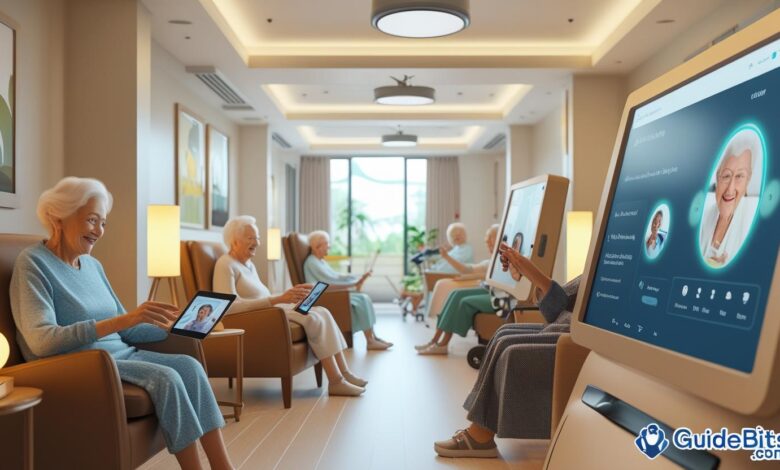
As global life expectancy increases, the demand for quality elderly care has never been higher. Assisted living facilities are evolving rapidly to accommodate these needs. At the heart of this transformation lies technology, which is not just reshaping how care is delivered but also improving the quality of life, independence, and safety of residents. From smart home integrations to AI-powered health monitoring, technology is now essential in ensuring that modern assisted living is both compassionate and cutting-edge.
Why Technology Matters in Elderly Care
The integration of advanced tools and systems is transforming elderly care from traditional, reactive models to proactive, data-driven, and person-centric care. Here’s why technology is indispensable in today’s assisted living:
Key Benefits:
- Enhances safety and emergency response
- Improves healthcare access and monitoring
- Supports independence and mobility
- Facilitates communication with family and caregivers
- Reduces staff workload and improves efficiency
Core Technologies Powering Modern Assisted Living

1. Smart Sensors and Motion Detectors
Smart sensors can detect falls, inactivity, or unusual movement patterns.
Applications:
- Fall detection alerts
- Bathroom usage monitoring
- Night wandering detection
2. Wearable Health Devices
Wearables like smartwatches and fitness trackers continuously monitor:
- Heart rate
- Blood pressure
- Oxygen levels
- Activity levels
These devices send real-time alerts to caregivers and family members if anomalies are detected.
3. Telehealth Platforms
Telehealth allows seniors to consult doctors from the comfort of their residence.
Advantages:
- Reduces unnecessary hospital visits
- Facilitates mental health check-ins
- Offers chronic condition management
4. AI and Machine Learning
AI tools analyze large sets of health data to:
- Predict potential health issues
- Customize care plans
- Monitor cognitive changes
5. Voice Assistants and Smart Home Devices
Voice-enabled devices like Amazon Alexa and Google Assistant:
- Control lights and thermostats
- Set medication reminders
- Play music or provide entertainment
These devices promote independence and ease of use.
Technological Features Comparison Table
| Feature | Benefit | Example Devices/Tools |
|---|---|---|
| Smart Sensors | Fall & motion detection | Bed sensors, wall-mounted detectors |
| Wearable Devices | Vital sign tracking | Fitbit, Apple Watch |
| Telehealth Platforms | Remote consultation & care | Teladoc, Amwell |
| AI Health Monitoring | Predictive healthcare insights | CarePredict, SafelyYou |
| Voice Assistants | Hands-free control | Alexa, Google Assistant |
| Electronic Medical Records | Streamlined healthcare data | PointClickCare, MatrixCare |
| Medication Dispensing Systems | Automated, error-free dosage | Hero, MedMinder |
Real-Life Impact of Technology in Assisted Living
Case Study: Smart Sensors Preventing Falls
In a facility in Ohio, the integration of smart floor sensors reduced falls by 60% within the first 6 months. The system alerted staff before a fall could occur based on irregular movement, allowing for timely intervention.
Case Study: Remote Monitoring Saving Lives
A senior in a California facility wearing a heart monitoring wearable received instant medical assistance when abnormal heart activity was detected, avoiding a possible stroke.
Technology as a Tool for Empowerment
Assisted living is often seen as a loss of independence. However, technology can reverse this perception by empowering seniors to take charge of their lives:
- Voice assistants let them operate devices without help
- Video calling platforms enable regular family interaction
- Online classes or hobby apps allow continued learning
Addressing the Challenges
Despite its benefits, integrating technology in assisted living also presents some challenges.
1. Digital Literacy Among Seniors
- Solution: Provide training sessions and user-friendly devices
2. Privacy and Data Security
- Solution: Use encrypted platforms and comply with HIPAA regulations
3. Cost of Implementation
- Solution: Seek government grants or partner with tech companies offering subsidized solutions
How Assisted Living Facilities Can Embrace Technology

Step-by-Step Implementation Guide:
- Assess Resident Needs
- Understand medical, social, and mobility requirements
- Choose the Right Tools
- Prioritize solutions based on ease of use and relevance
- Staff Training
- Equip caregivers with skills to operate and maintain systems
- Pilot Program
- Run a small-scale trial before full implementation
- Gather Feedback
- Take input from residents, staff, and families
- Scale Up Gradually
- Expand the use of successful technologies facility-wide
Future Trends in Assisted Living Technology
1. Robotic Assistance
- Autonomous robots for companionship or delivery of items
2. Virtual Reality (VR) for Therapy
- Memory care programs using VR to evoke familiar environments
3. Smart Toilets and Hygiene Monitoring
- Devices analyzing waste for early illness detection
4. Blockchain for Medical Records
- Ensuring secure and decentralized access to medical history
FAQs
Q1: What is the main role of technology in assisted living?
A: It enhances safety, streamlines healthcare, and promotes independence for elderly residents.
Q2: Are smart devices safe for seniors to use?
A: Yes, most devices are designed with senior-friendly interfaces and are secure when used properly.
Q3: How do wearable devices help caregivers?
A: They provide real-time data on a resident’s health, allowing proactive care and emergency response.
Q4: Is telehealth reliable for seniors?
A: Absolutely. It reduces travel stress, provides faster access to specialists, and is effective for regular monitoring.
Q5: What’s the cost implication of implementing technology?
A: While there is an initial investment, long-term savings are seen in reduced hospital visits and more efficient care delivery.
Conclusion
Modern assisted living is no longer just about providing a place to stay—it’s about offering a high quality of life, backed by cutting-edge technology. From wearable health monitors to AI-powered predictions and smart home systems, these tools are shaping a safer, more autonomous, and fulfilling experience for seniors.
Facilities that embrace these technologies are not only keeping up with the times but are also setting new standards in elder care. As technology evolves, its role in assisted living will only grow stronger—paving the way for dignified, compassionate, and efficient care.