Introduction
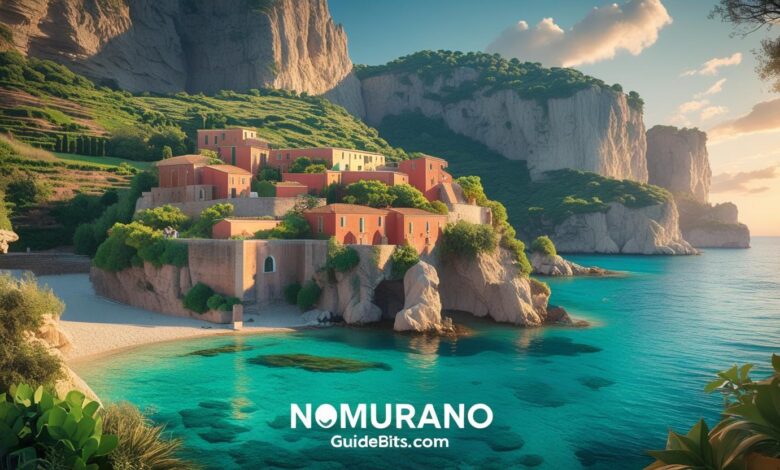
Italy is famed for its iconic destinations—Rome, Venice, Florence, Capri—but tucked away from the buzzing tourist radar lies Nomurano, an enchanting island that locals whisper about but few outsiders have seen. Often mistaken for Murano or Burano due to the similarity in name, Nomurano stands in a league of its own. This secret island offers travelers raw beauty, authentic Italian lifestyle, and untouched wonders.
If you’re a traveler yearning for a unique escape far from crowded tour groups and selfie sticks, Nomurano may just be your dream destination.
Where Is Nomurano?
Nomurano is a small, largely undiscovered island located in the Venetian Lagoon, just northeast of Venice. Unlike its more popular neighbors, Murano (famous for glassmaking) and Burano (known for colorful houses), Nomurano has remained off the commercial radar—making it a perfect destination for adventurers and cultural purists.
What Makes Nomurano Special?

Nomurano’s allure lies in its authenticity, tranquility, and mystique. Here’s what makes this island so unique:
1. Pristine Nature and Landscapes
- Lush meadows and vineyards stretch across the island
- Coastal cliffs with unspoiled views of the Adriatic Sea
- Rare bird species and marine life thrive undisturbed
- Olive groves and fig trees line the countryside
2. Rich Local History
- Ancient Roman ruins dot the landscape
- A 9th-century monastery with an underground crypt
- Old fishing villages preserved in time
3. Authentic Culture
- Traditional Venetian dialect still spoken
- Artisanal products: lacework, handmade pottery, and olive oil
- Seasonal festivals that remain untouched by tourism
How to Get to Nomurano
| Transport Option | Details |
|---|---|
| Private Boat | From Venice or Burano, 45–60 minutes |
| Water Taxi | Limited service; pre-booking recommended |
| Guided Tour Charter | Rare, but small eco-tours occasionally visit |
| Kayaking Adventure | Popular among eco-tourists; scenic route through canals |
What to Do in Nomurano
Although small, Nomurano is bursting with things to do and discover. Here’s a guide to exploring the island.
1. Explore Hidden Trails
Nomurano’s trails lead through olive orchards, over stone bridges, and to hilltop chapels. Perfect for hikers and photographers.
2. Visit the Monastery of San Elio
An ancient, semi-abandoned monastery with a sacred crypt beneath. Guided by a single resident monk, it offers a reflective, spiritual experience.
3. Sample Island Cuisine
Expect home-cooked Italian meals with island-grown ingredients:
- Octopus stew with wild herbs
- Nomurano-style gnocchi with lemon and caper
- Freshly pressed olive oil with crusty local bread
4. Attend the Firefly Festival
In early summer, the island glows at night with thousands of fireflies. Locals celebrate with folk music, dancing, and lantern-lit picnics.
5. Birdwatching and Marine Life Exploration
Nomurano is a sanctuary for nature enthusiasts:
- Flamingos, herons, and migratory birds visit the marshes
- Tide pools along the shore teem with marine life
Nomurano vs. Murano and Burano
| Feature | Nomurano | Murano | Burano |
|---|---|---|---|
| Tourist Crowds | Very Low | High | High |
| Local Crafts | Pottery, lace, olive oil | Glass blowing | Lace, needlecraft |
| Landscape | Natural, untouched | Urban-industrial island | Colorful buildings, canals |
| Accessibility | Limited | Easy (frequent ferries) | Easy (frequent ferries) |
| Accommodation | Rustic homestays | Hotels, B&Bs | Guesthouses, B&Bs |
Where to Stay in Nomurano

Nomurano isn’t lined with hotels but offers charming accommodations for the conscious traveler:
- Casa Verde Agriturismo – Family-run farmhouse with vineyard views
- Locanda del Faro – Guesthouse near the lighthouse with sea breezes and traditional décor
- Abbazia Retreat Lodge – Minimalist rooms inside the monastery walls for peaceful stays
Travel Tips for Visiting Nomurano
Before packing your bags, keep these travel tips in mind:
- Book Early: Accommodations are limited.
- Cash is King: Many places do not accept cards.
- Learn a Few Local Phrases: English is not widely spoken.
- Bring Binoculars: Ideal for birdwatching and exploring coastlines.
- Respect Local Traditions: Nomurano’s charm lies in its authenticity.
Sustainable Tourism in Nomurano
Nomurano prides itself on sustainability and conservation. Here’s how visitors can contribute:
- Avoid Littering – Carry reusable containers and bags
- Support Local Crafts – Buy directly from artisans
- Travel Lightly – Use eco-friendly transport
- Respect Sacred Spaces – Many locations have religious importance
Must-Try Foods on Nomurano
| Dish | Description |
|---|---|
| Frittelle di Mare | Seaweed and cod fritters served during festivals |
| Tagliolini al Limone | Hand-cut pasta with lemon sauce and herbs |
| Pane di Nomurano | Crusty island bread baked in wood ovens |
| Rosolio | Local rose petal liqueur, mildly sweet and floral |
Best Time to Visit
- Spring (April–June): Wildflowers bloom, trails are vibrant
- Early Summer (June–July): Firefly festival, long sunny days
- Autumn (September–October): Olive harvest season, fewer visitors
Avoid August – Many locals go on vacation, and it gets hot and dry.
Why You Should Visit Nomurano
If you’re tired of the same vacation selfies and crowded spots, Nomurano offers something rare—a chance to feel like a true explorer. The island brings travelers into the heart of old-world Italy where tradition meets tranquility. Whether you’re hiking the cliffs, sipping fresh-pressed olive oil, or watching flamingos at sunset, Nomurano gives you space to breathe and connect with authentic Italian life.
FAQs about Nomurano
1. Is Nomurano a real place?
Yes, Nomurano exists but is often confused with Murano or Burano. It’s a lesser-known island in the Venetian Lagoon.
2. Can tourists stay overnight in Nomurano?
Yes, but options are limited. Booking ahead is essential, especially during spring and summer.
3. Is Nomurano suitable for families?
Absolutely! It’s quiet, safe, and educational, ideal for families seeking nature and culture.
4. Are there restaurants or shops?
Nomurano has a few family-run trattorias and local markets, but no commercial chains.
5. Do I need a guide to visit Nomurano?
Not necessarily, but a local guide can enhance the experience with stories and historical insights.
Conclusion
Nomurano is not just a destination; it’s a journey into Italy’s untouched soul. In a world where most places are over-Instagrammed and under-experienced, this hidden Italian island remains an oasis for mindful travelers. Whether you’re chasing serenity, culture, or unspoiled nature, Nomurano invites you to explore a side of Italy that few ever see—but no one forgets.