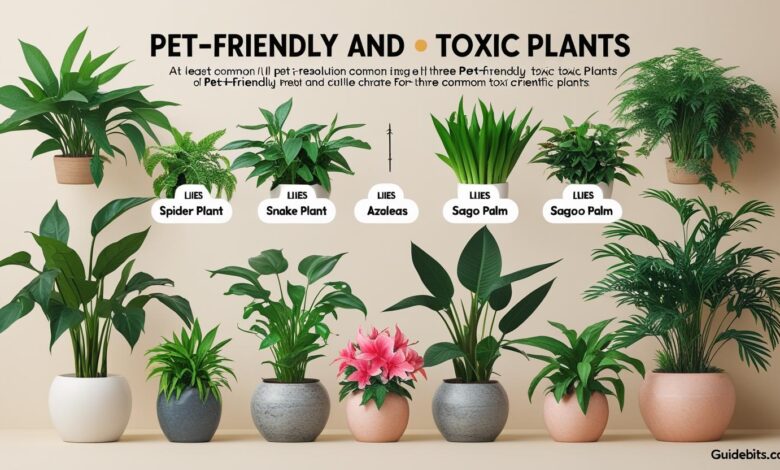
Introduction: Creating a Safe Green Space for Pets
Many plant lovers are also proud pet parents. But here’s the catch: not all greenery is friendly to our four-legged companions. While a peace lily may beautify your living room, it can be dangerous to a curious cat. That’s why this article brings a grounded perspective to choosing pet-friendly plants—meaning we look not only at beauty but also at well-being, responsibility, and harmony in shared spaces.
This guide provides you with a curated list of safe plants and a critical overview of toxic ones. Whether you live in a studio apartment or a full-size home, these insights help you create a vibrant, safe, and green environment for your beloved pets.
Why It Matters:
Grounding means connecting to what matters most—health, safety, and harmony. For pet owners, grounding starts with making informed, compassionate choices. Pets explore the world with their mouths, and a single bite of the wrong plant could mean a rush to the vet.
By learning which plants are pet-safe and which are not, you’re choosing a lifestyle that’s not just beautiful, but conscious and grounded in care.
Safe and Pet-Friendly Plants for Indoor Spaces
Here’s a list of beautiful plants that bring freshness to your home without putting your pets at risk.
Top Pet-Friendly Plants
| Plant Name | Description | Ideal Location | Water Needs | Light Requirements |
|---|---|---|---|---|
| Spider Plant (Chlorophytum comosum) | Air purifier, easy to grow | Hanging baskets, shelves | Low to moderate | Indirect light |
| Areca Palm (Dypsis lutescens) | Tropical look, soft leaves | Living rooms | Moderate | Bright, indirect |
| Boston Fern (Nephrolepis exaltata) | Lush, air-purifying | Bathrooms, shady corners | High | Indirect/moist |
| Calathea (Prayer Plant) | Decorative foliage, low maintenance | Bedrooms | Moderate | Low to bright, indirect |
| Bamboo Palm (Chamaedorea seifrizii) | Elegant, safe for cats and dogs | Living spaces | Moderate | Indirect light |
| African Violet (Saintpaulia) | Compact flowering plant | Kitchen windows | Moderate | Bright, indirect |
| Peperomia | Low-growing, diverse varieties | Shelves, desks | Low | Moderate to bright |
| Maranta (Prayer Plant) | Colorful foliage, interesting movements | Bedrooms | Moderate | Low to moderate light |
Plants to Avoid: Toxic to Cats and Dogs
Unfortunately, some of the most popular houseplants are toxic to pets. Here are the ones you should avoid at all costs.
Toxic Plants Dangerous for Pets
| Plant Name | Toxic To | Symptoms in Pets | Alternatives |
|---|---|---|---|
| Peace Lily | Cats, Dogs | Vomiting, drooling, difficulty swallowing | Try Calathea |
| Sago Palm | Cats, Dogs | Liver failure, seizures, death | Replace with Areca Palm |
| Aloe Vera | Cats, Dogs | Vomiting, diarrhea, lethargy | Use Haworthia (similar look) |
| Dieffenbachia | Cats, Dogs | Oral irritation, swelling, vomiting | Try Spider Plant |
| Philodendron | Cats, Dogs | Burning of mouth, drooling, vomiting | Replace with Peperomia |
| Pothos (Devil’s Ivy) | Cats, Dogs | Oral irritation, vomiting | Go for Boston Fern |
| English Ivy | Cats, Dogs | Abdominal pain, vomiting | Use Swedish Ivy (safe) |
| Oleander | All pets | Fatal heart issues | Strictly avoid indoors |
Grounded Tips for Pet-Safe Planting
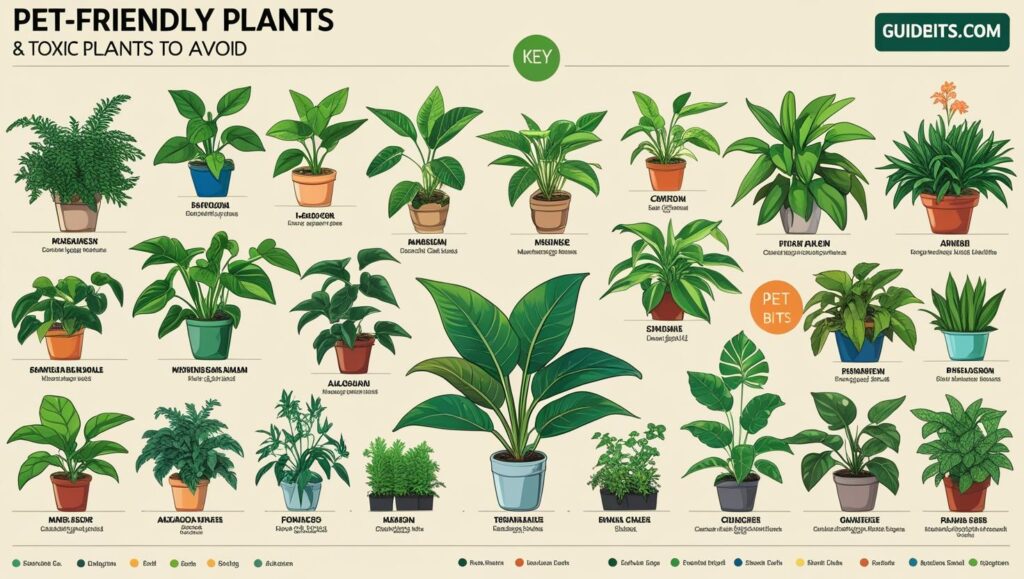
A grounded home is one where both pets and plants thrive together. Here’s how to do that safely:
Placement Matters
- Use plant stands or hanging baskets to keep plants out of reach.
- Avoid placing toxic plants on windowsills or coffee tables where cats and dogs often explore.
Monitor Chewing Behavior
- If your pet has a habit of nibbling plants, opt for pet grass or catnip to satisfy the urge.
- Spray deterrents (citrus-based) can discourage chewing.
Label and Identify
- Always label your plants and keep a list of what’s in your home.
- Apps like PlantSnap or PictureThis help identify unknown plants.
Learn First Aid
- If your pet ingests a toxic plant:
- Remove plant material from mouth.
- Rinse their mouth gently.
- Call your vet or a poison hotline like ASPCA Animal Poison Control (888-426-4435).
Pet-Friendly Outdoor Plants
If your pets enjoy the garden or balcony, extend your grounding strategy outside.
Safe Outdoor Plants
- Sunflowers
- Snapdragons
- Camellias
- Basil
- Rosemary
- Lavender (in moderation)
Outdoor Plants to Avoid
- Daffodils
- Tulips
- Foxglove
- Lily of the Valley
- Hydrangea
Common Myths About Plant Toxicity
Let’s clear up a few misconceptions:
“If my pet has never touched a plant, it’s safe.”
Even a one-time nibble during curiosity can be dangerous. Always choose safe options.
“Natural plants can’t be harmful.”
Many natural compounds (like those in Sago Palm or Oleander) are highly toxic and can be fatal.
“Indoor pets aren’t at risk.”
Even indoor-only pets can encounter danger from plants inside your living room or bathroom.
The Role of Grounding in Pet and Plant Care
Choosing pet-friendly plants isn’t just about avoiding toxins—it’s about grounding your choices in love, awareness, and long-term care. A grounded plant environment enhances your home’s energy and aligns with conscious living. You create a sanctuary where green living and furry love exist in harmony.
Quick-Reference Chart: Safe vs. Toxic Plants
| Category | Examples | Safe for Pets? |
|---|---|---|
| Flowering Plants | African Violet, Snapdragons | ✅ Yes |
| Tropical Foliage | Calathea, Areca Palm | ✅ Yes |
| Succulents | Haworthia, Burro’s Tail | ✅ Yes |
| Toxic Favorites | Aloe Vera, Peace Lily, Pothos | ❌ No |
| Outdoor Plants | Sunflowers, Basil, Rosemary | ✅ Yes |
| Toxic Outdoor | Daffodils, Foxglove, Tulips | ❌ No |
FAQ: Pet-Friendly Plants and Safety Tips
What are the most pet-safe indoor plants?
Spider Plant, Calathea, Peperomia, and Boston Fern are among the safest.
Are succulents safe for pets?
Some, like Haworthia and Burro’s Tail, are safe. Others like Jade Plant and Aloe Vera are toxic.
Can I still keep a toxic plant if it’s out of reach?
It’s risky. Pets are resourceful climbers, especially cats. Better to replace it with a safe alternative.
What should I do if my pet eats a toxic plant?
Remove any plant bits from their mouth, rinse gently with water, and contact a vet immediately.
Are fake plants a safer option?
They are non-toxic, but can cause choking hazards or digestive blockages if chewed or swallowed.
What plants are both pet-safe and purify air?
Spider Plant, Bamboo Palm, and Boston Fern are non-toxic and improve air quality.
Conclusion: Choose Plants That Love Your Pets Back
Creating a grounded, pet-safe home isn’t about limiting your love for greenery—it’s about deepening it. You don’t have to sacrifice aesthetics for safety. With a little guidance, you can cultivate a space that blooms with life and care—plants that freshen your air and never harm the furry friends who call it home.
Let your home be a sanctuary of rooted beauty, where nature and nurture co-exist peacefully.